




 Local culture
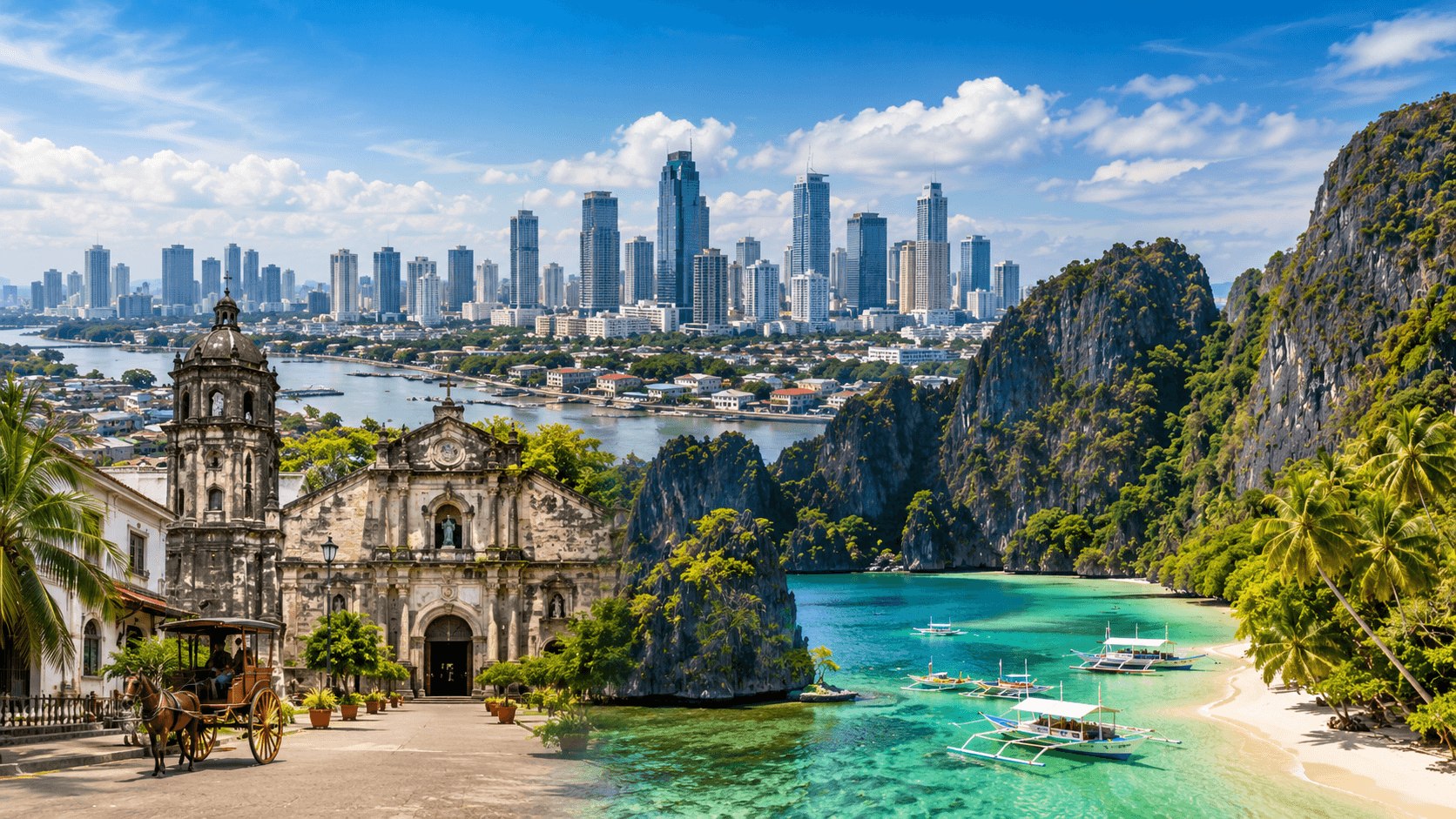
The Philippine archipelago spans more than 7,600 islands, presenting a diverse landscape that shifts from colonial stone fortresses to secluded white-sand beaches. Navigating this vast geography often presents logistical puzzles for travelers because of the massive distances between regional hubs. Pinpointing the Best Areas to Explore in Manila and the Philippines before securing your flights makes your trip far smoother and far more satisfying.
This guide maps out historic quarters, modern urban pockets, and world-famous island hideaways. These curated details help you build an efficient travel schedule that avoids common pitfalls.
Historic Sanctuaries and Heritage Hubs in the Capital
Intramuros remains the historic heart of Manila, bounded by defensive stone walls built during the late sixteenth century. Spanning sixty-seven hectares, this fortified enclave preserves grand plazas, quiet courtyards, and ancient churches that survived the heavy bombardment of World War II.
Just across the muddy waters of the Pasig River lies Binondo, widely recognized as the oldest Chinatown on earth. Merchants established this bustling trading district back in 1594.
You can wander these narrow roads on foot or ride in a horse-drawn carriage known locally as a kalesa. These quarters offer deep cultural layers, showing why they rank among the Best Areas to Explore in Manila and the Philippines.
- Fort Santiago: A stone fortress built in 1593 that houses the brick cell where national hero Jose Rizal spent his final days.
- San Agustin Church: The oldest stone sanctuary in the nation, finished in 1607 and honored as a UNESCO World Heritage site.
- Minor Basilica of San Lorenzo Ruiz: A sacred landmark in Binondo reflecting an architectural marriage of Spanish and Chinese designs.
Sleek High-Rises and Modern Enclaves
Bonifacio Global City, widely called BGC, showcases the dizzying speed of local economic growth. Its clean, pedestrian-friendly grid is packed with towering glass high-rises, colorful murals, open-air malls, and pockets of manicured grass.
Nearby Makati serves as the classic financial powerhouse of the metro. It draws crowds with the leafy pathways of Greenbelt mall and the lively, late-night food scene of the Poblacion neighborhood.
These sleek blocks offer a sharp contrast to the crumbling brick of the colonial quarters. Blending these modern commercial zones with rural escapes is the secret to uncovering the Best Areas to Explore in Manila and the Philippines.
These polished sectors offer secure, walkable avenues filled with global restaurants and five-star hotels. Travelers searching for modern art galleries and luxury retail brands will find these neighborhoods worth every minute.
Tropical Islands and Coastal Escapes
Palawan regularly tops global travel lists because of its jagged limestone cliffs and turquoise lagoons. The coastal town of El Nido acts as the jumping-off point for boat trips around the Bacuit Archipelago, where hidden beaches hide behind towering stone walls.
Boracay draws sun-seekers with its famous four-kilometer beach of soft white sand. The island underwent a major environmental cleanup in 2018 to restore its natural beauty.
These coastal getaways deliver the exact postcard-perfect views that travelers crave. Including these islands in your plans shows why they remain the Best Areas to Explore in Manila and the Philippines.
| Destination | Key Attraction | Best For |
|---|---|---|
| El Nido, Palawan | Bacuit Archipelago | Island Hopping & Lagoons |
| Boracay Island | White Beach | Powdery Sand & Nightlife |
| Coron, Palawan | Kayangan Lake | Wreck Diving & Snorkeling |
- Puerto Princesa Underground River: An 8.2-kilometer underground river system that winds through limestone caves before emptying into the West Philippine Sea.
- Kayangan Lake in Coron: A freshwater lake hidden inside steep limestone cliffs, known for its crystal-clear waters.
- Apo Island Marine Sanctuary: A guarded marine park in Negros Oriental where travelers swim alongside resident sea turtles over healthy coral reefs.
Mountain Highlands of Northern Luzon
The Cordillera Central mountains in northern Luzon feature steep valleys and cool mountain air. Baguio serves as a mountain refuge, resting 1,500 meters high to offer a break from the sticky heat of the plains.
In Banaue, you will find two-thousand-year-old rice terraces carved by hand into the steep mountain slopes. Local Ifugao tribes created these giant green stairways, which still stand as living cultural monuments.
For those wanting a break from humid beaches, these misty northern peaks offer some of the Best Areas to Explore in Manila and the Philippines.
Sagada draws hikers with its mysterious hanging coffins, deep cavern networks, and scent of pine trees. The mountain culture here remains fiercely independent, presenting a fascinating contrast to the Catholic lowlands.
- Sumaguing Cave: A deep cavern system in Sagada famous for its challenging climbs and bizarre rock formations.
- Mount Pulag: The tallest peak in Luzon, known for the sunrise views over a thick blanket of morning clouds.
- Tam-an Village: A traditional hamlet in Banaue where travelers can watch local artisans carve wood and weave fabric.
Culinary Traditions and Historic Towns
Pampanga holds the crown as the food capital of the nation because of its deep cooking traditions and bold flavors. Old-school eateries in San Fernando and Angeles City serve up classic sizzling sisig and sweet cured pork known as tocino.
Vigan in Ilocos Sur stands as a rare, surviving Spanish trading town from the colonial era. Cobblestone streets wind past grand family mansions built from brick and hardwood.
These provinces prove that life outside the big cities is incredibly diverse. Digging into local food cultures gives you invaluable context when deciding on the Best Areas to Explore in Manila and the Philippines.
You can reach these northern provinces by car or bus via the major expressways running straight out of the capital.
Smart Travel Planning and Local Logistics
Island-hopping across this nation requires realistic schedules to avoid total exhaustion. Small planes connect Manila daily to key destinations like Cebu, Puerto Princesa, and Caticlan.
Passenger ferries offer a slower, scenic option for jumping between nearby islands in areas like the Visayas.
Picking a balanced mix of islands and cities is vital to make the most of your vacation days. Studying travel routes to the Best Areas to Explore in Manila and the Philippines ahead of time prevents painful transit delays.
The sunny months from November to April offer the best conditions for beach trips and hiking. The rainy season from June to October brings heavy downpours but rewards budget travelers with empty beaches and cheaper hotel rates.
Getting the Most from Your Philippine Journey
A memorable trip through this island nation means balancing city tours with laid-back beach time. Combining historic spots like Intramuros with natural wonders like Palawan gives you a complete view of local life.
Learning how local buses, vans, and boats operate helps you move from one province to the next without getting stuck.
Focusing your plans on the Best Areas to Explore in Manila and the Philippines guarantees an unforgettable trip packed with deep heritage and gorgeous views. Solid research and realistic travel times are the absolute secrets to a flawless island vacation.


Comments are closed