




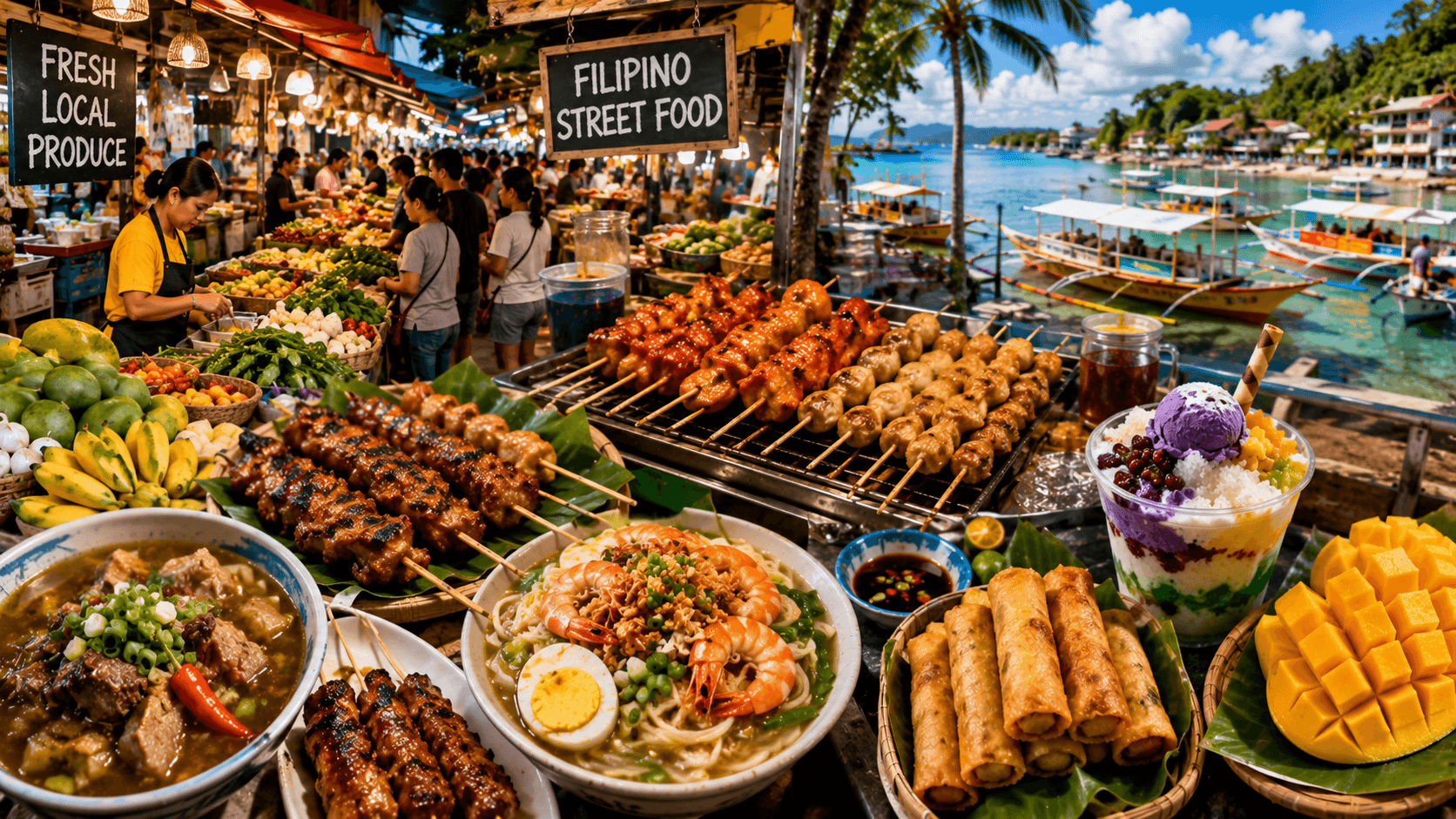
 Brunches in Philippines
The Philippines boasts a lively culinary scene shaped by centuries of trade, colonial influences, and rich biodiversity. This archipelago of over seven thousand islands offers an array of flavors ranging from sweet and savory to sour and spicy. Discovering the Best Food Markets and Local Eats in the Philippines offers travelers a deeply engaging way to experience regional cultures through taste.
This detailed guide highlights the key culinary destinations that every food enthusiast must visit. When seeking out the Best Food Markets and Local Eats in the Philippines, one must look beyond mainstream restaurants and dive into the bustling stalls where locals eat. Every region presents a unique culinary identity shaped by local ingredients and historical traditions.
| Region / City | Famous Food Market | Must-Try Local Specialty |
|---|---|---|
| Manila | Mercato Centrale | Isaw, Kwek-Kwek, Kikiam |
| Cebu | Carcar Public Market | Cebuano Lechon, Chicharon |
| Pampanga | Angeles City Food Stalls | Sizzling Sisig |
| Iloilo | La Paz Public Market | La Paz Batchoy |
| Davao | Bankerohan Public Market | Durian, Kinilaw, Grilled Panga |
Manila’s Street Food and Night Markets
Mercato Centrale: The Modern Night Market
Mercato Centrale in Bonifacio Global City stands as a premier weekend destination for food enthusiasts. This market showcases innovative culinary startups alongside traditional Filipino street foods like isaw and balut. Exploring this hub is a core stop for anyone exploring the Best Food Markets and Local Eats in the Philippines.
Visitors can enjoy regional specialties from across the provinces in one centralized location. The market operates mostly on Friday and Saturday nights, drawing thousands of hungry locals and tourists. It provides a clean and organized environment to sample diverse flavors without leaving the metropolitan area.
Classic Street Food Staples in the Capital
In the heart of Manila, street food vendors offer quick, affordable, and delicious bites. These local culinary scenes are characterized by smoky grills and bubbling cauldrons of sweet and spicy sauces.
- Isaw: Grilled chicken or pork intestines marinated in a sweet and savory soy-based sauce.
- Kwek-Kwek: Deep-fried quail eggs coated in a bright orange tempura-like batter.
- Kikiam: Ground pork and vegetables wrapped in bean curd skin and deep-fried until golden.
Cebuano Lechon and Seafood Markets
Carcar Public Market: The Capital of Lechon
Cebu is globally renowned for its roasted pig, locally known as lechon, which culinary experts praise for its crispy skin and tender meat. For those hunting down the Best Food Markets and Local Eats in the Philippines, Cebu offers an unmatched gastronomic adventure. Carcar Public Market serves as the ultimate hub for sourcing this savory delicacy.
The secret to Cebuano lechon lies in the stuffing of lemongrass, garlic, onions, and local spices. This eliminates the need for any dipping sauce, distinguishing it from the Manila variation. The market vendors serve the roasted pig fresh daily, often paired with local sticky rice cakes.
Sugbo Mercado and Seafood Dining
Beyond lechon, Cebu’s coastal location ensures a steady supply of fresh marine life. Visitors can experience these Filipino street food hubs through various dining styles.
- Sugbo Mercado: A bustling night market in Cebu IT Park famous for diverse food stalls and local street eats.
- Sutukil Restaurants: Dining spots where guests choose fresh seafood to be cooked in three distinct styles.
- Taboan Public Market: The main destination for buying dried fish, particularly salted danggit.
Culinary Capitals of Luzon and the Visayas
Pampanga: The Culinary Capital
Pampanga is widely recognized as the culinary capital of the country, offering dishes that highlight complex Spanish-Filipino fusion. The city of Angeles features a bustling food scene where modern chefs rework classic Kapampangan dishes. Sisig, a sizzling dish made from parts of pig’s head and chicken liver, originated in this province.
The dish has evolved from a simple local remedy into a globally recognized culinary masterpiece. These historic regional dishes form the core of Kapampangan pride. Visitors can experience these authentic preparations at local food stalls that have operated for generations.
Iloilo City: The Cradle of Comfort Soups
Moving south to the Western Visayas, Iloilo City presents a completely different flavor profile defined by rich soups and fresh seafood. The La Paz Public Market in Iloilo is the birthplace of La Paz Batchoy, a noodle soup enriched with pork offal, crushed pork cracklings, and beef loin. This savory noodle soup represents the ultimate comfort food for locals.
The broth simmered for hours delivers a deep umami flavor that remains unmatched in other regions. Local bakeries nearby also offer sweet treats that complement the salty flavor profile of the main dishes. This balance of flavors defines the unique approach of Visayan cooks.
Understanding these regional differences is key when mapping out the Best Food Markets and Local Eats in the Philippines.
Southern Flavors and Coastal Delights
Bankerohan Public Market: Fruit and Seafood Hub
Davao City in Mindanao offers a unique culinary adventure centered around tropical fruits and fresh tuna. The Bankerohan Public Market is the main trading hub for durian, mangosteen, and sweet pomelo. The abundance of fresh produce makes it a key stop for those mapping the Best Food Markets and Local Eats in the Philippines.
Davao’s Unique Seafood Preparations
Local eateries in Davao serve kinilaw, a Filipino ceviche made with fresh tuna loin cured in coconut vinegar, calamansi, ginger, and chili. The addition of local fruits like tabon-tabon helps eliminate any raw fish taste. This dish highlights the freshness of the coastal harvest in Mindanao.
- Durian: A pungent tropical fruit celebrated for its rich, custard-like texture.
- Grilled Tuna Jaw: Locally known as panga, this cut is marinated in soy sauce and calamansi before being grilled over charcoal.
- Lawuy: A vegetable soup made with local greens, okra, and squash, seasoned with lemongrass.
Guidelines for Savoring Local Street Food
Useful Tips for Market Explorers
Navigating busy local markets requires a basic understanding of local dining customs and safety habits. Street food stalls operate on high turnover, ensuring that the ingredients remain fresh throughout the day. Experiencing the Best Food Markets and Local Eats in the Philippines becomes much more enjoyable when visitors follow simple hygiene and safety routines.
Carrying cash in small bills is vital because vendors rarely accept digital payments. This habit also makes transactions quicker and easier in crowded market spaces. Travelers should look for stalls with long queues of local residents to guarantee quality.
Final Thoughts on Philippine Gastronomy
The diverse culinary tapestry of the archipelago reflects a rich cultural heritage waiting to be explored. From the sizzling plates of Pampanga to the fresh seafood markets of Cebu, every region tells a story through its flavors. Your quest for the Best Food Markets and Local Eats in the Philippines will leave you with unforgettable tastes and authentic cultural connections.
Planning a food-focused itinerary ensures a deep appreciation for the culinary traditions that define this spirited nation. The warm hospitality of local vendors makes every meal an inviting experience. Travelers will depart with a profound appreciation for the rich culinary heritage of the country.


Comments are closed